Tags Locomotive Refurbishment Train Maintenance Solutions
An Introduction to Induction Heating – How Does It Work and What Does It Do? Induction Heating Forge
It’s an age-old problem for anyone who works on vehicles:
What can you do with a seized-up bolt?
In most cases, the answer is heat. But if you’re still using an open flame to get heat into your difficult components, we’ve got some news for you:
There’s a better way.
Here’s everything you need to know about induction heating, and how it can make your workshop a safer place.
Induction heating is a method of heating up components and parts — in a targeted area, and without using a flame.
That’s the basic concept. Now let’s get into a little bit of science:
Induction heating is all about electric currents and electromagnetic fields. That means it only works on materials that conduct electricity, like metals and semi-conductors.
(And for a vehicle workshop like yours, that’s perfect. Most vehicle components are made of metal!)
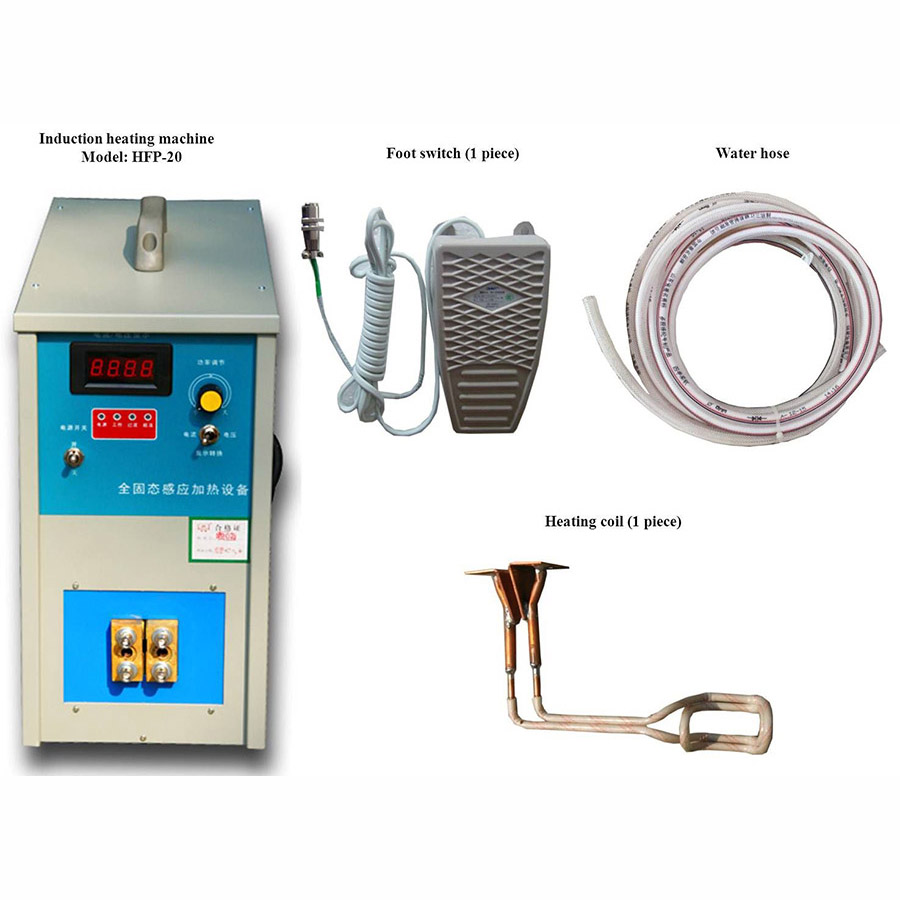
An induction heater uses a coil of wiring that’s placed around the component you need to heat. When an electric current passes through that coil, it creates an electromagnetic field that has an effect on the component inside the coil.
Specifically, an induction heater uses a high-frequency alternating current (AC) in the coil. This creates a rapidly alternating magnetic field, which generates electric currents (called ‘eddy currents’) inside the component.
When these eddy currents work against the electric resistance of the metal component, the ‘friction’ of this resistance creates heat.
(It’s a bit like rubbing two sticks together to start a fire — but you’re really rubbing the electrons inside the component.)
With an induction heater, you’re able to generate heat inside a vehicle component — at a rapid pace, and without the risks of using a flame.
In most cases, induction heaters are used on individual components that have seized up due to age or wear and tear.
That could mean a rusty bolt in an older engine, or the wheel nuts on a vehicle that hasn’t been serviced in a long time.
If you try to loosen these seized bolts with mechanical force alone (using a ratchet or other torque tools), you run the risk of stripping the fitting — or snapping the bolt off completely.
By heating up the nuts and bolts that have become seized, you’re causing the material to expand. This expansion helps to loosen the fitting and free up the seized bolt, so you can then go in with a conventional torque tool and remove the component that was previously seized.
Before the invention of induction heaters, workshops would use more conventional methods of heating to help loosen seized components.
In most cases, that meant using a direct flame, like an oxyacetylene blow torch.
And that kind of tech comes with some problems:
With an open flame, it’s much harder to direct the heat into the component you’re targeting. And if you’re trying to heat a bolt that’s deep within the vehicle’s body (or tucked away at an awkward angle behind other parts and systems), you’re in for a tough time.
That lack of precision also means you’re running the risk of damaging the surrounding area. You’ll end up heating much more than just the intended component, and that could mean causing burn damage to the other parts and systems nearby.
And that’s before you start thinking about the safety risks that come with gas and flames:
There’s an obvious risk to the safety of the technician using an oxy torch. They’ll need extra training and extra PPE — and you’ll need to take extra precautions around the gas supply and any potential leaks.
But with an induction heater, things become much more simple and safe. With a purpose-built electric induction heater that’s designed specifically for workshop use, you’ll be able to:
It might seem like a complicated piece of tech. But when it comes to heating up parts and components, an induction heater is one of the simplest, safest, and most cost-effective ways to do it.
Start a chat with one of our experts to learn how an Induction Heater could work for you.
This article was originally published by Totalkare Ltd.
Totalkare is pleased to announce its return to the premier rail industry event Railtex & Infrarail in 2023 for the fourth consecutive year.
Totalkare has been graded as ‘Very Good’ to work for by Best Companies, formerly known as the Sunday Times Top 100 Businesses.
Totalkare outlines three of the most common workshop hazards, and how choosing the right equipment can help to reduce those risks.
Totalkare attended the Rolling Stock Networking event in Derby recently and made a host of new business connections in the rail industry.
To help you keep your teams and your tools safe, Totalkare Ltd put together some simple safety tips for working with torque tools.
Totalkare will be co-exhibiting at Railtex Infrarail 2022 with their supply partners Emanuel, showcasing their railway lifting jacks.
Totalkare has put together the most common torque tool tips to follow and mistakes to avoid – for the best possible accuracy.
In this podcast from Totalkare, you'll learn about inspection pit misconceptions and how to make your inspection pits safe.
In terms of a vehicle workshop, every oil you’re likely to work with should be considered hazardous waste and needs to be disposed of safely.
In Totalkare's latest podcast they compare the most popular lift solutions: Mobile Column Lifts, Fixed Lifts, and Vehicle Inspection Pits.
Exhibition season is here and Totalkare is doing the rounds at many events in the fleet, workshop, and technology sectors.
Use the form opposite to get in touch with Totalkare Ltd directly to discuss any requirements you might have.
We'd love to send you the latest news and information from the world of Railway-News. Please tick the box if you agree to receive them.
I agree to receive communications from Railway-News.
For your peace of mind here is a link to our Privacy Policy.
By submitting this form, you consent to allow Railway-News to store and process this information.
We love trains. You love trains. Sign up to our weekly newsletter to have all the latest global industry news calling at your inbox.
You’ll also get our quarterly eMagazine: more trains, but with a shiny cover! Find out what industry suppliers are up to and read in-depth editorials.
I agree to receive communications from Railway-News.
Induction Brazing By subscribing you agree to our Privacy Policy.